01
Build
We design low-cost, field-deployable research tools — 360° camera + audio monitoring nodes built for the rainforest.
Build · Open Canopy
Low-cost 360° camera and audio nodes, deployed in the Peruvian Amazon — and an open network anyone can join, build for, and run their own nodes inside.
We design low-cost, field-deployable research tools — 360° camera + audio monitoring nodes built for the rainforest.
We install them in remote field sites — starting with the Peruvian Amazon.
Anyone can join the network and run their own nodes using our open guides.
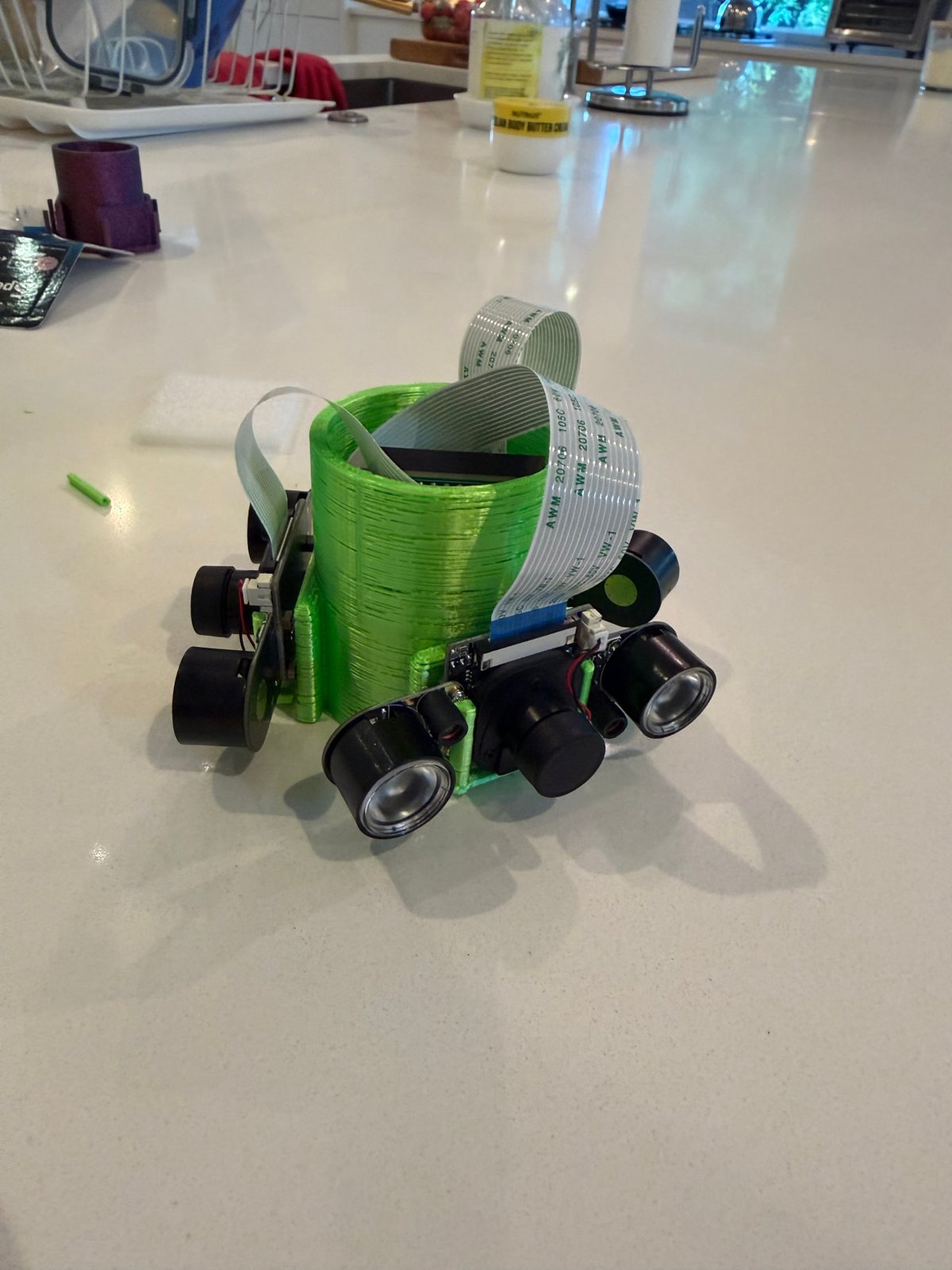
Open Canopy designs, builds, and deploys low-cost, field-deployable research tools ourselves — starting with the Peruvian Amazon — so conservation teams get real, field-ready data without waiting on expensive proprietary kits.
Every hardware design, training guide, and labeling workflow is open-source. Anyone can join the network and build, deploy, and run their own nodes alongside ours.
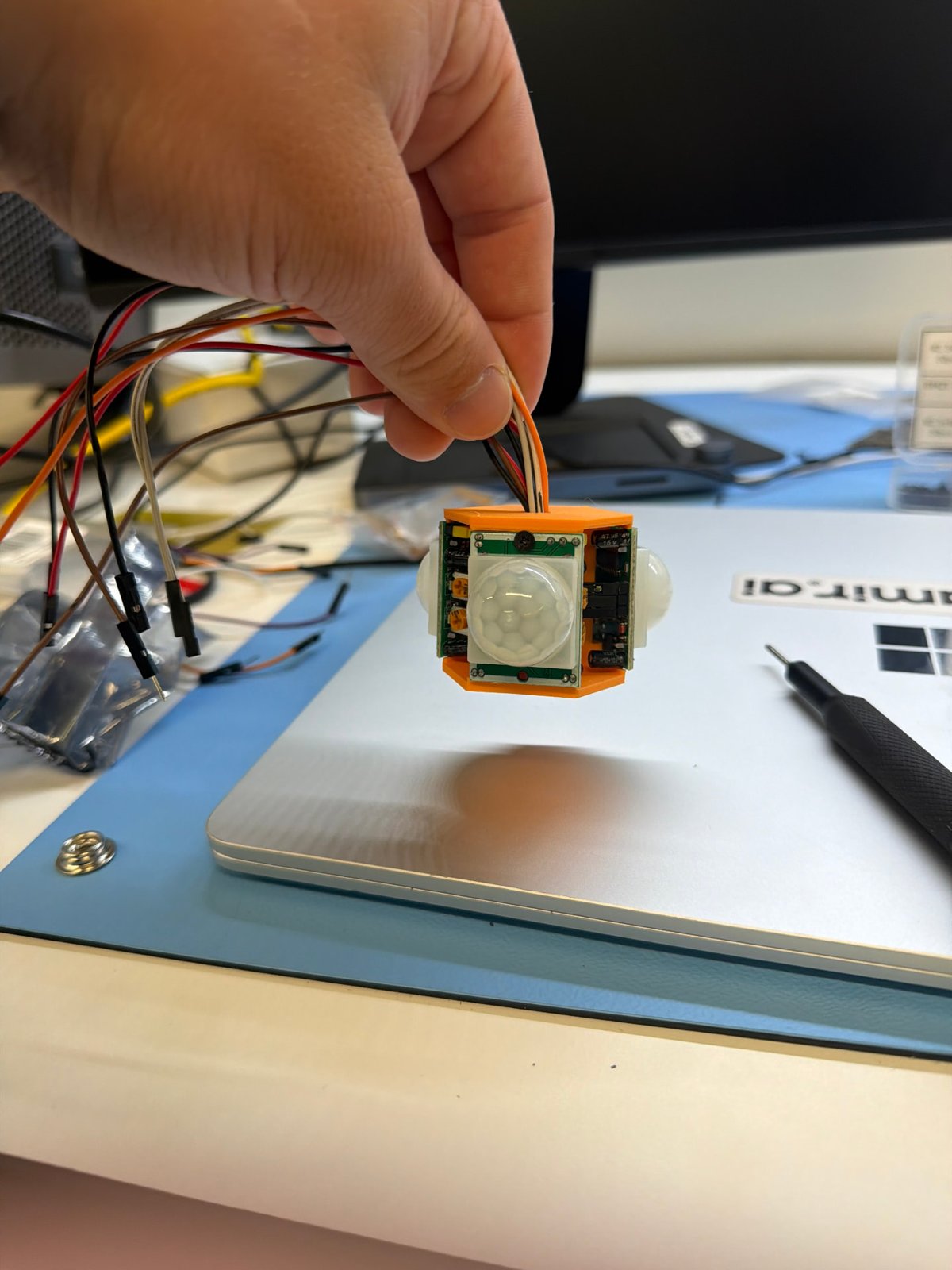
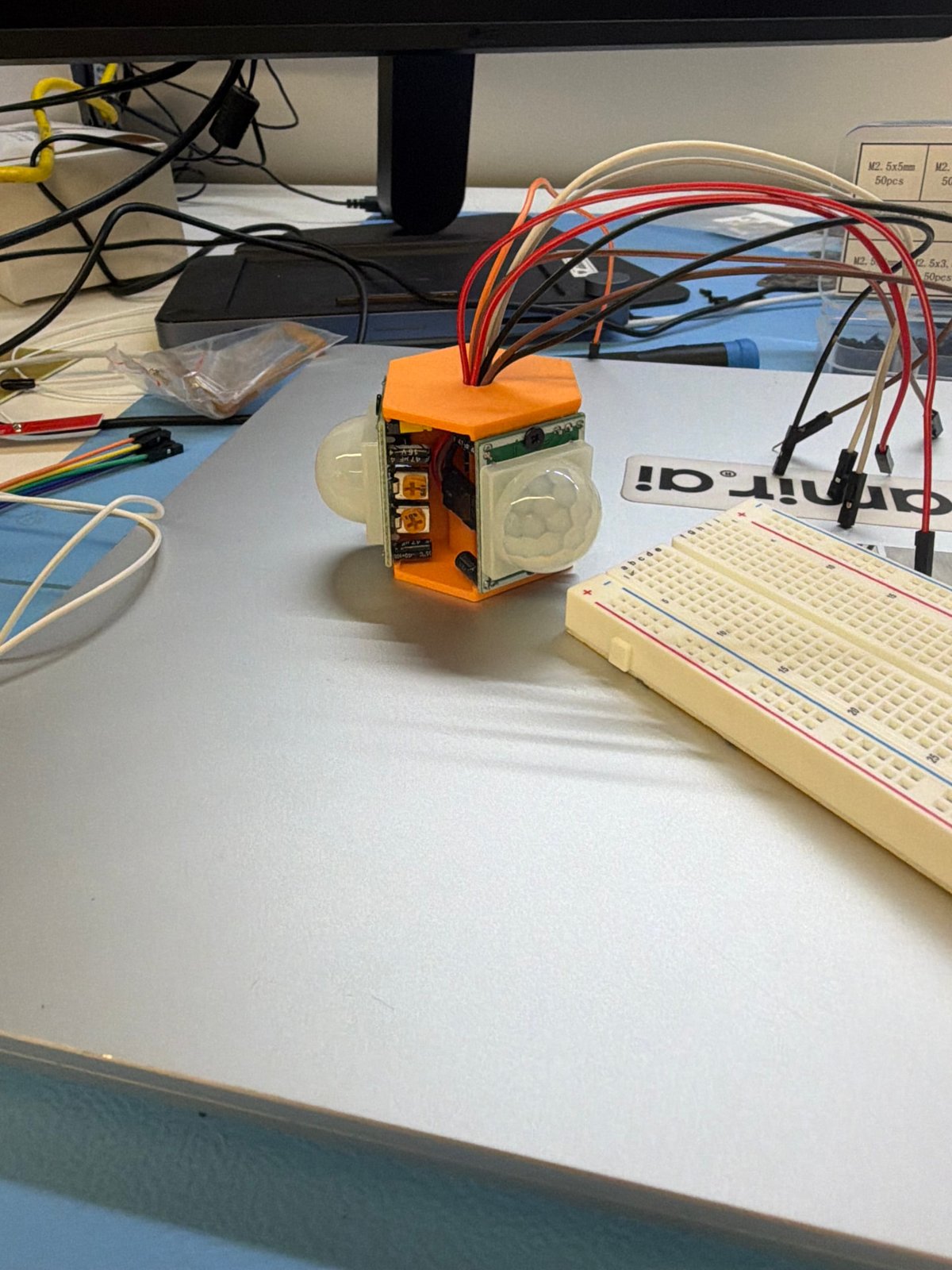
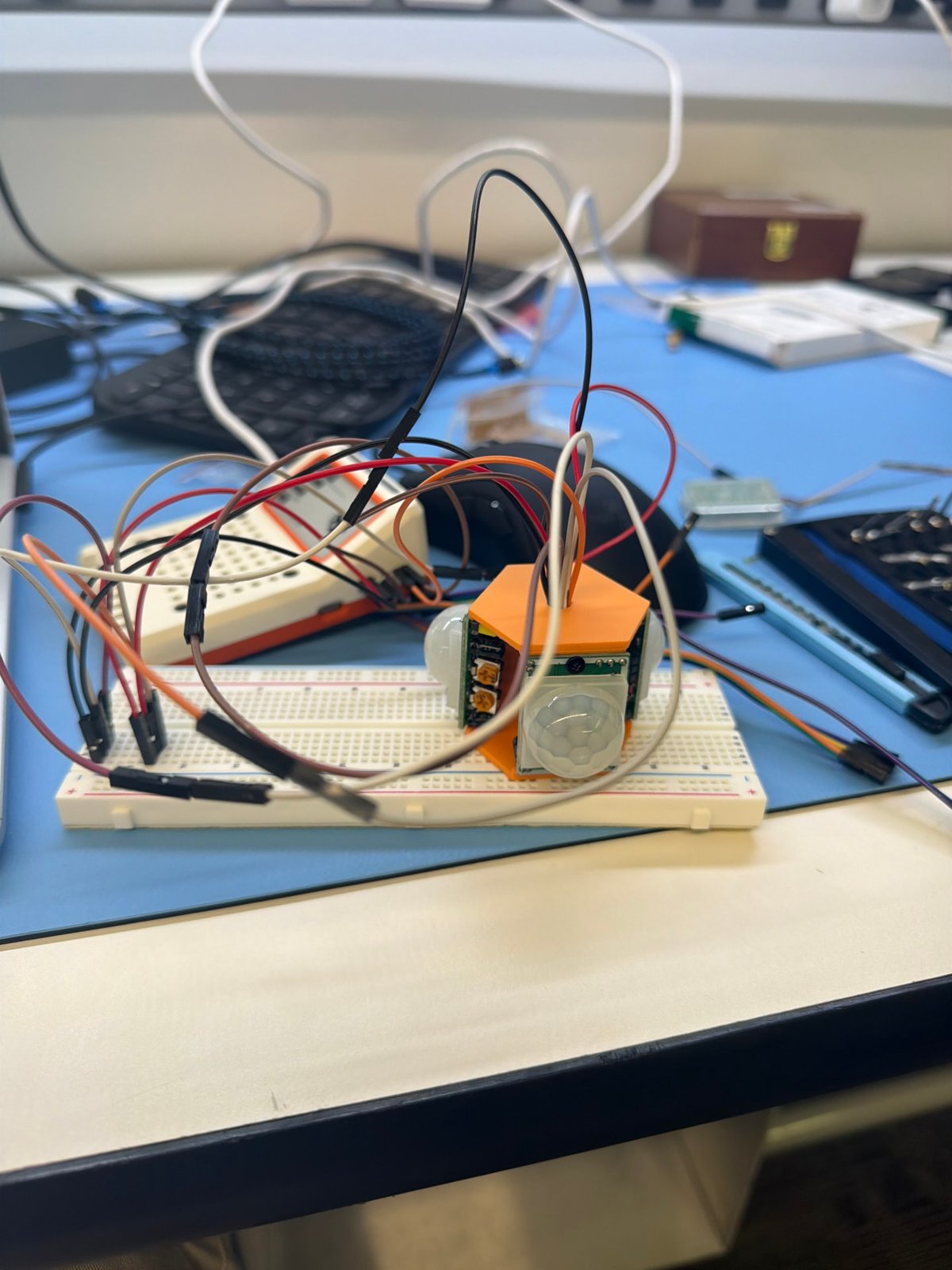
These are working prototypes — 3D-printed housings, off-the-shelf boards, a lot of jumper wire. The finished field units and photos from Peru are coming soon.
Answers are AI-generated from our build notes and may not be perfect.
Every part of Open Canopy is built to be assembled in the field, documented in the open, and improved by the people using it.
Low-cost 360° camera + audio nodes built for the rainforest.
AI classifiers for wildlife, sound, and habitat change.
Guides, videos, and checklists for non-specialist field teams.
Labeling workflows and datasets that anyone can build on.
Four open guides — each one a self-contained kit a small field team can pick up, build from, and adapt.
Limited visibility in dense rainforest
360° camera coverage for wider environmental context
Activity that cannot be seen directly
Audio monitoring for wildlife and disturbance signals
Expensive or proprietary equipment
Low-cost open-source parts list and build guide
Hard-to-analyze raw data
Standard labeling workflow for image and sound data
Remote teams need training
Deployment manuals, videos, and checklists
Open Canopy is looking for conservation researchers, field teams, students, engineers, and educators interested in low-cost rainforest monitoring, acoustic sensing, camera traps, AI labeling, and open-source field guides.